How to Make Tasty Korean Bibimbap at Home – Easy Step-by-Step Recipe
Introduction
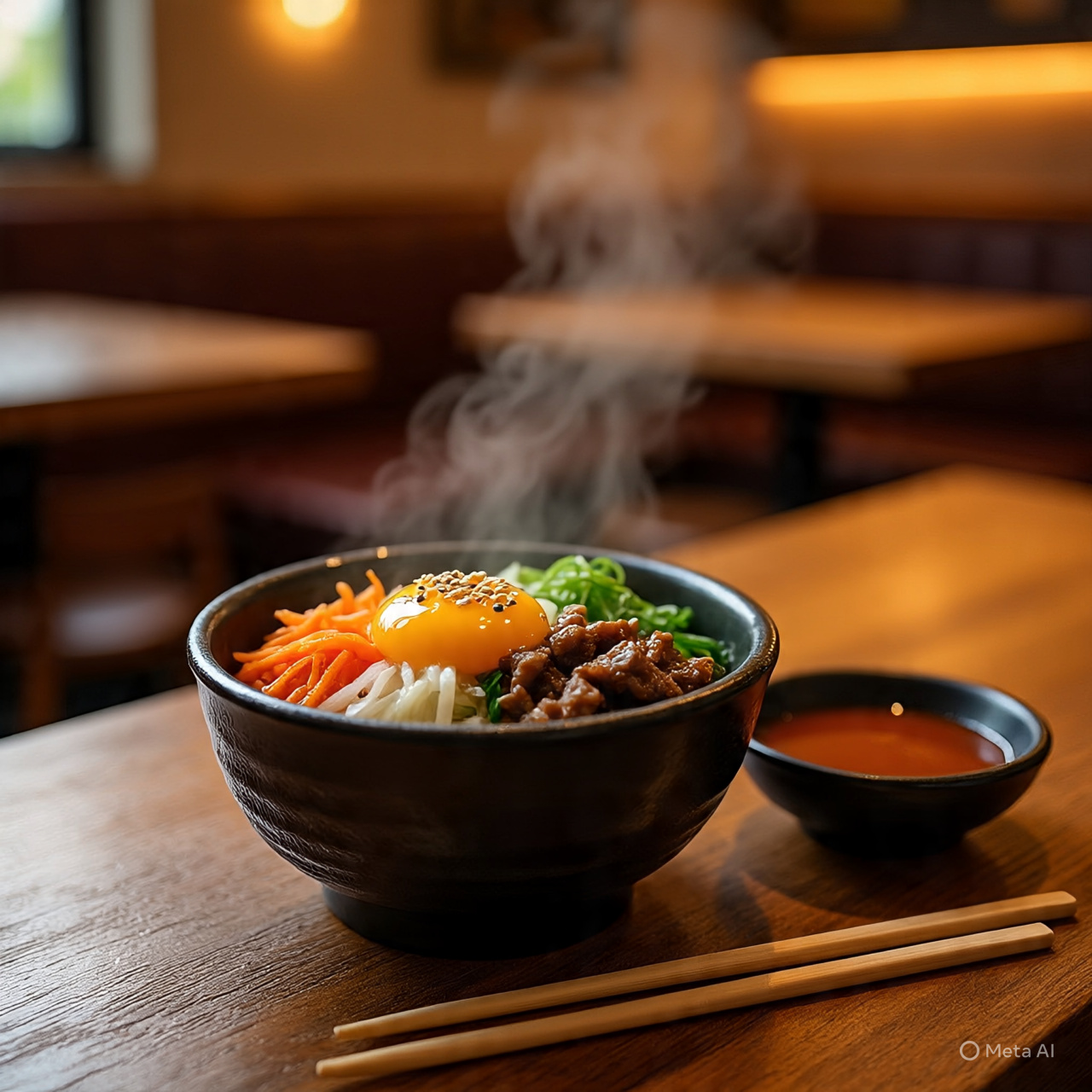
Tasty Korean Bibimbap is a vibrant and wholesome dish that perfectly represents the heart of Korean cuisine. Packed with a colorful mix of warm rice, sautéed vegetables, seasoned meat, and a perfectly fried egg on top, it offers a beautiful balance of flavors and textures in every bite. What makes bibimbap so special is the way each ingredient comes together with a rich, savory sauce to create a satisfying and nourishing meal. It’s not only visually appealing but also highly customizable, making it a great choice for both beginners and food lovers who enjoy healthy yet flavorful dishes. Once mixed, every spoonful delivers a comforting and delicious experience.
What Makes Bibimbap a Popular Korean Food?
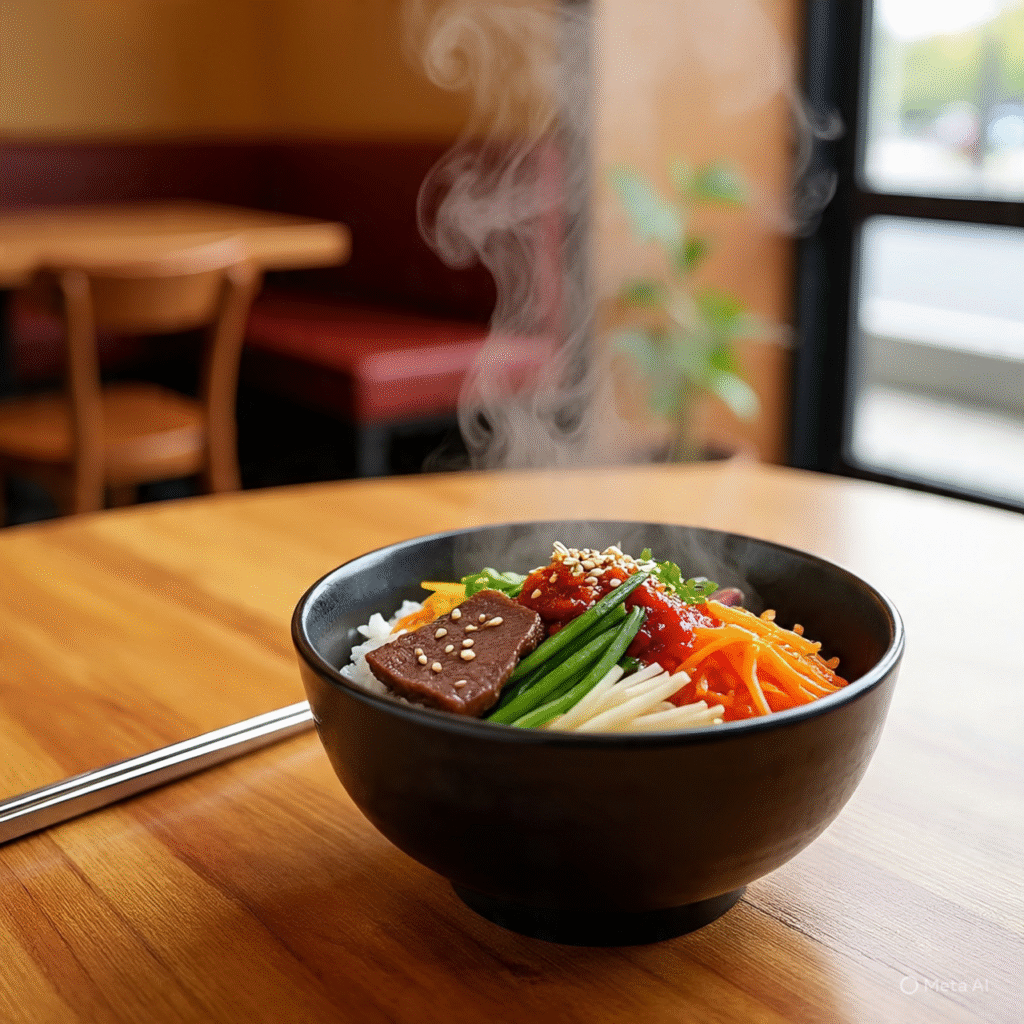
Bibimbap is a classic dish in Korean cuisine because it combines nutrition and taste in one bowl. It includes steamed rice, sautéed vegetables, protein like egg or beef, and the famous gochujang sauce. The mix of textures—soft rice, crunchy vegetables, and savory sauce—makes it incredibly satisfying.
This dish is also popular because it is customizable. You can make it vegetarian, chicken-based, or beef-based, depending on your preference. Bibimbap is often considered a healthy Korean food recipe because it is packed with fiber, vitamins, and balanced nutrients.
See also: Easy Hesburger Inspired Dessert Recipes to Make at Home
Ingredients for Korean Bibimbap Recipe
Below are the simple and easily available ingredients needed to make a tasty Korean Bibimbap at home.
Ingredients:
- 2 cups cooked white rice (short-grain rice is best)
- 1 cup spinach
- 1 carrot (julienned)
- 1 zucchini (sliced)
- 1 cup mushrooms (shiitake or button)
- 2 eggs
- 150g beef or chicken (optional)
- 2 tablespoons sesame oil
- 1 tablespoon soy sauce
- 2 cloves garlic (minced)
- Salt to taste
- Sesame seeds for garnish
For Bibimbap Sauce:
- 2 tablespoons gochujang (Korean red chili paste)
- 1 tablespoon sesame oil
- 1 tablespoon sugar or honey
- 1 teaspoon vinegar
- 1 clove garlic (grated)
Easy Step-by-Step Method
Step 1: Cook the Rice
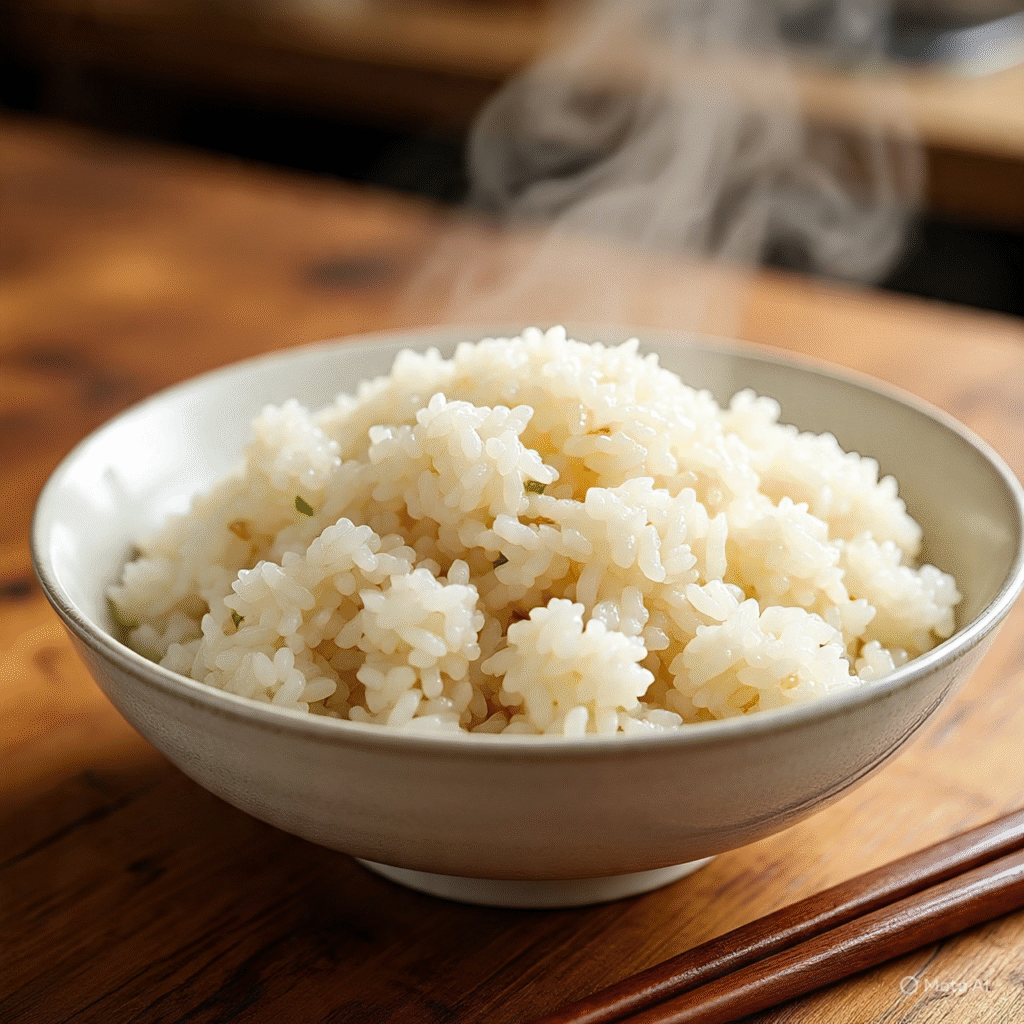
Start by cooking the rice and keep it warm. Freshly steamed rice is the foundation of a perfect Bibimbap bowl because it absorbs the sauce and flavors beautifully. Using warm rice also helps blend all the ingredients evenly.
See also: Christmas Salmon Recipe (Easy, Festive & Perfect for the Holidays)
Step 2: Prepare the Vegetables
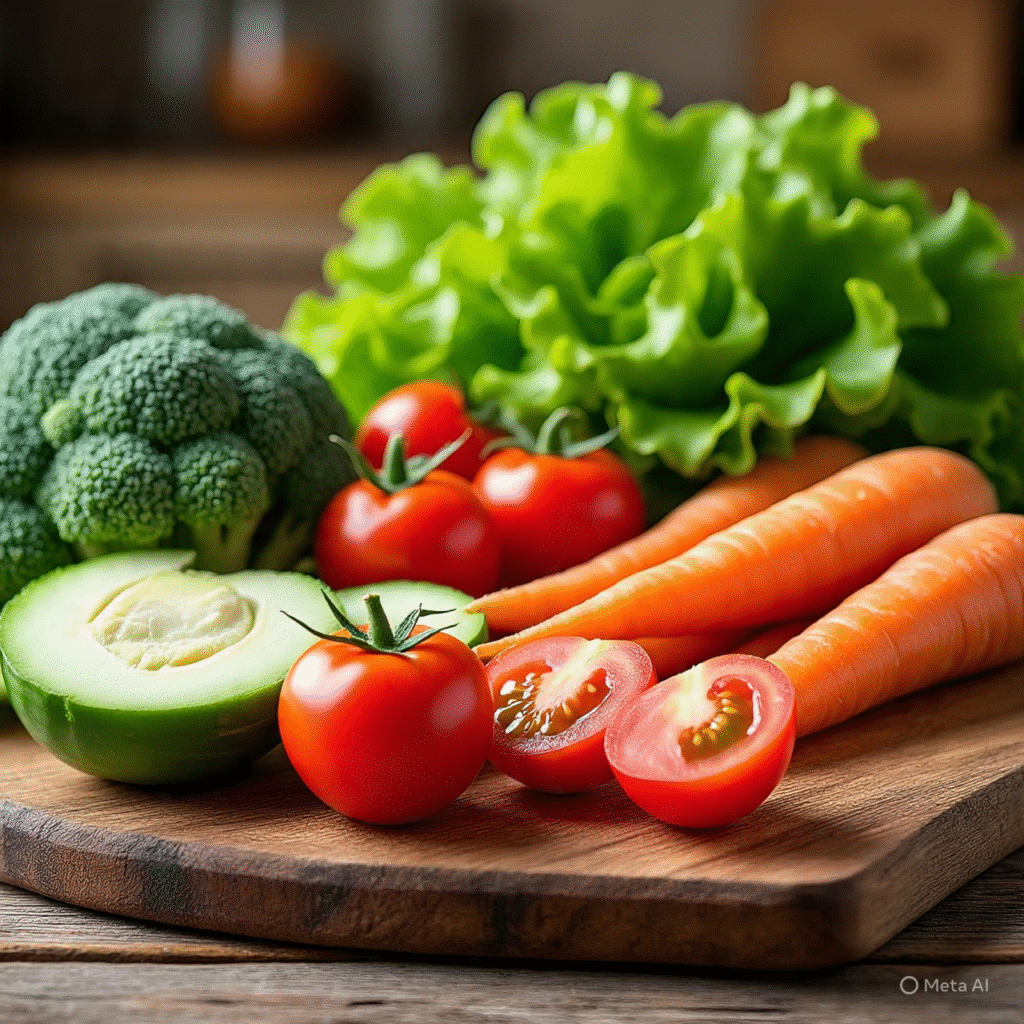
While the rice is cooking, prepare the vegetables one by one. Blanch the spinach in boiling water for about 30 seconds, then drain and gently squeeze out excess water. Season it lightly with salt and sesame oil.
Next, sauté the carrots, zucchini, and mushrooms separately in a pan with a little oil and minced garlic. Cooking each vegetable separately keeps their colors bright and their natural flavors fresh.
See also: How To Garlic Butter Crispy Bites: The Ultimate Easy Weeknight Treat?
Step 3: Cook the Protein
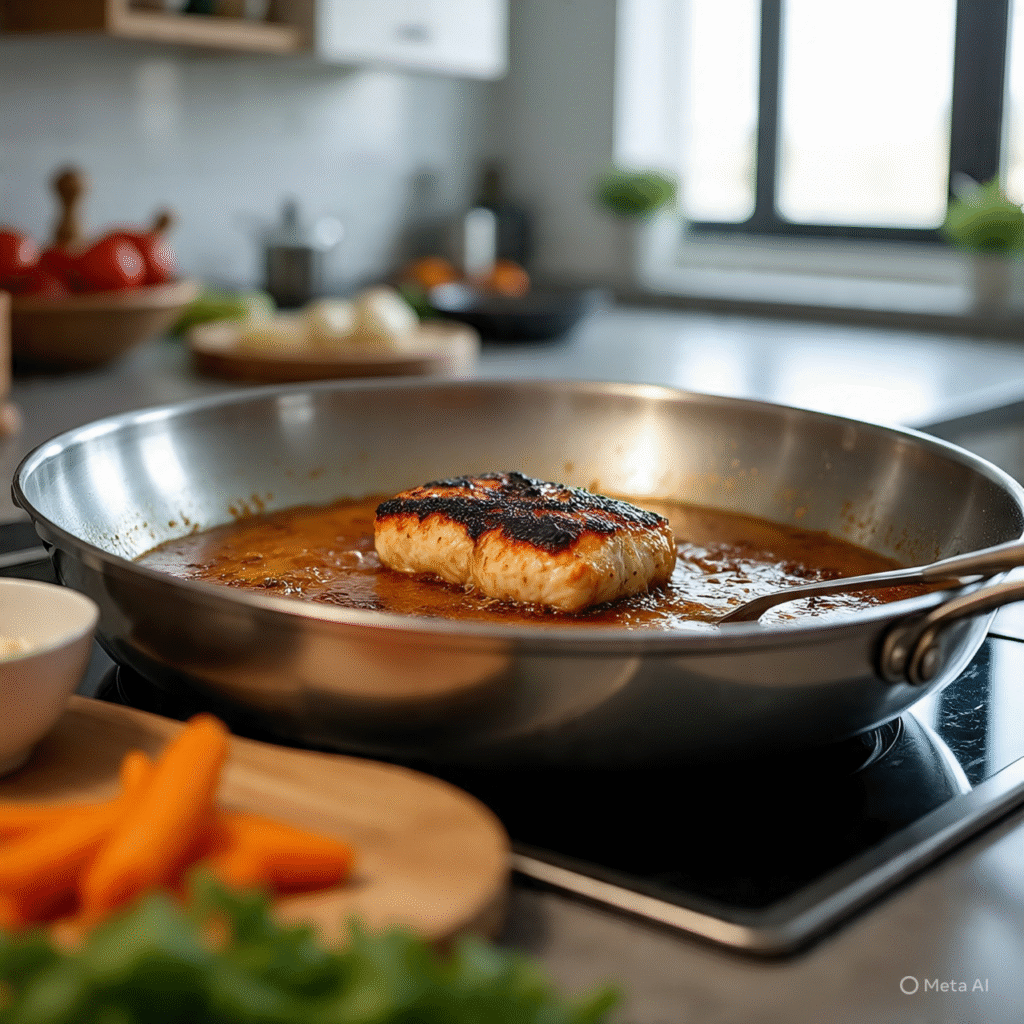
If you are using beef or chicken, stir-fry it in a pan with soy sauce, garlic, and a few drops of sesame oil. Cook until the meat is fully done and slightly caramelized. Once cooked, set it aside with the vegetables.
See also: How to Make Traditional Chicken Kabsa Rice (Authentic Arabic One-Pot Meal)?
Step 4: Make the Bibimbap Sauce
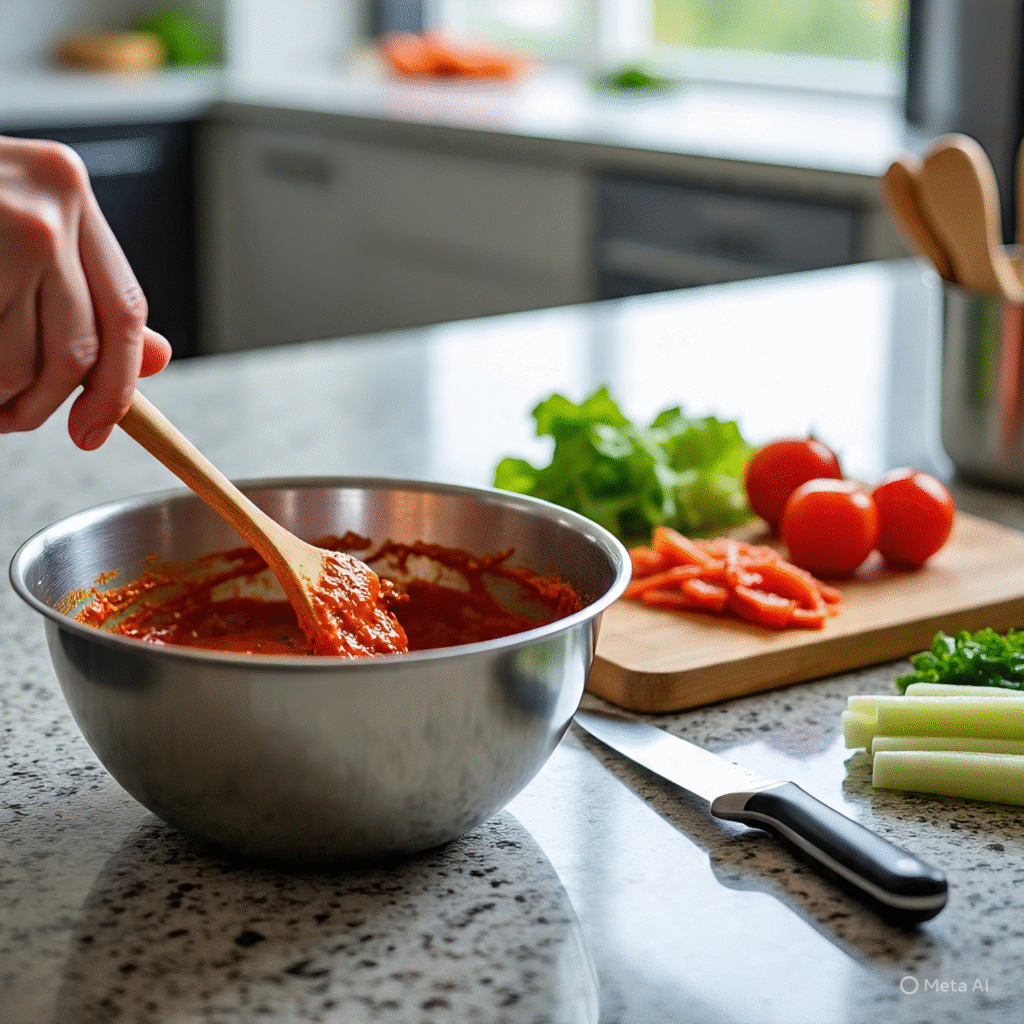
Prepare the Bibimbap sauce by mixing gochujang, sesame oil, sugar, vinegar, and grated garlic in a small bowl. Stir well until smooth. This sauce is the heart of Bibimbap and gives it its signature spicy, savory, and slightly sweet Korean flavor.
Assembling the Bibimbap Bowl
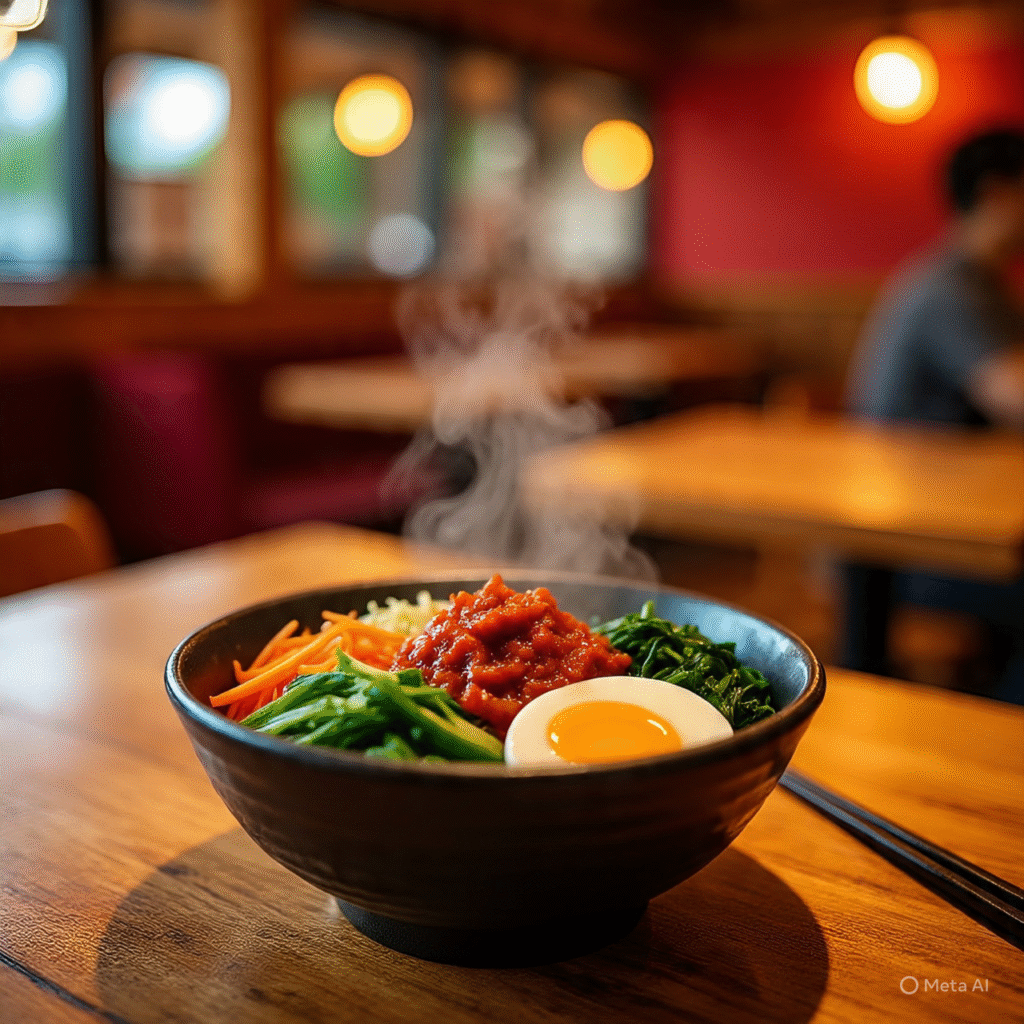
Take a serving bowl and add a generous portion of warm rice. Arrange the cooked vegetables neatly on top of the rice. Add the cooked meat if using. Fry an egg sunny-side up and place it in the center of the bowl.
Drizzle the Bibimbap sauce over the top and sprinkle sesame seeds for extra flavor. Before eating, mix everything well so the sauce coats the rice and vegetables evenly.
Why This Korean Recipe Is Perfect for Home Cooking
This tasty Korean food recipe is perfect for home because it is quick, flexible, and nutritious. You don’t need special equipment or hard-to-find ingredients. Bibimbap is also ideal for meal prep and works well for families because everyone can customize their bowl.
Tips for Best Taste and Authentic Flavor
Use sesame oil sparingly but consistently—it adds authentic Korean aroma. Always serve Bibimbap hot so the flavors blend perfectly. If you like extra spice, add more gochujang or a little Korean chili powder (gochugaru).
Final Thoughts
Conclusion
Tasty Korean Bibimbap is a vibrant and wholesome dish that brings together flavor, color, and nutrition in one satisfying bowl. With a perfect mix of warm rice, seasoned vegetables, protein, and spicy gochujang sauce, every bite offers a balance of taste and texture that feels both comforting and energizing. What makes bibimbap truly special is its flexibility—you can easily customize it with your favorite ingredients while still keeping its authentic Korean essence. Whether enjoyed as a quick weeknight meal or a special homemade treat, this dish is a beautiful way to experience the rich and comforting flavors of Korean cuisine.
FAQs about Korean food recipe
Is Bibimbap a healthy Korean food?
Yes, Bibimbap is a healthy Korean dish made with rice, fresh vegetables, and protein, offering balanced nutrition in one bowl.
Can I make Bibimbap without meat?
Yes, Bibimbap can be made vegetarian by adding tofu, mushrooms, or extra vegetables instead of meat.
What rice is best for Bibimbap?
Short-grain white rice is best for Bibimbap because its soft, slightly sticky texture blends well with the sauce.
Is gochujang very spicy?
Gochujang is mildly spicy with a touch of sweetness, and you can adjust the amount to control the heat level.